Have you ever found yourself utterly consumed by thoughts of someone, feeling euphoric when they show interest and devastated when they don’t? If so, you may have experienced limerence—a psychological state of obsessive romantic infatuation that can feel exhilarating but often leads to emotional distress.
What is Limerence?
Limerence is an intense emotional state in which a person becomes infatuated with someone, known as the limerent object (LO). Unlike healthy love, limerence is marked by obsessive thoughts, emotional dependence, and a deep longing for reciprocation. Psychologist Dorothy Tennov first coined the term in the 1970s after studying people’s experiences of love and attraction.
Unlike a simple crush, limerence is all-consuming. The person experiencing it cannot stop thinking about their LO, interpreting even the smallest interactions as signs of mutual attraction. This creates a rollercoaster of emotions—extreme highs when they believe their feelings are reciprocated and crushing lows when they are ignored or rejected.
Why Does Limerence Happen?
Limerence is believed to be rooted in both psychological and neurological factors. Some key reasons it occurs include:
- Dopamine Overload: Limerence activates the brain’s reward system, releasing dopamine, the “feel-good” neurotransmitter. This creates an addictive cycle, making the person crave interaction with their LO.
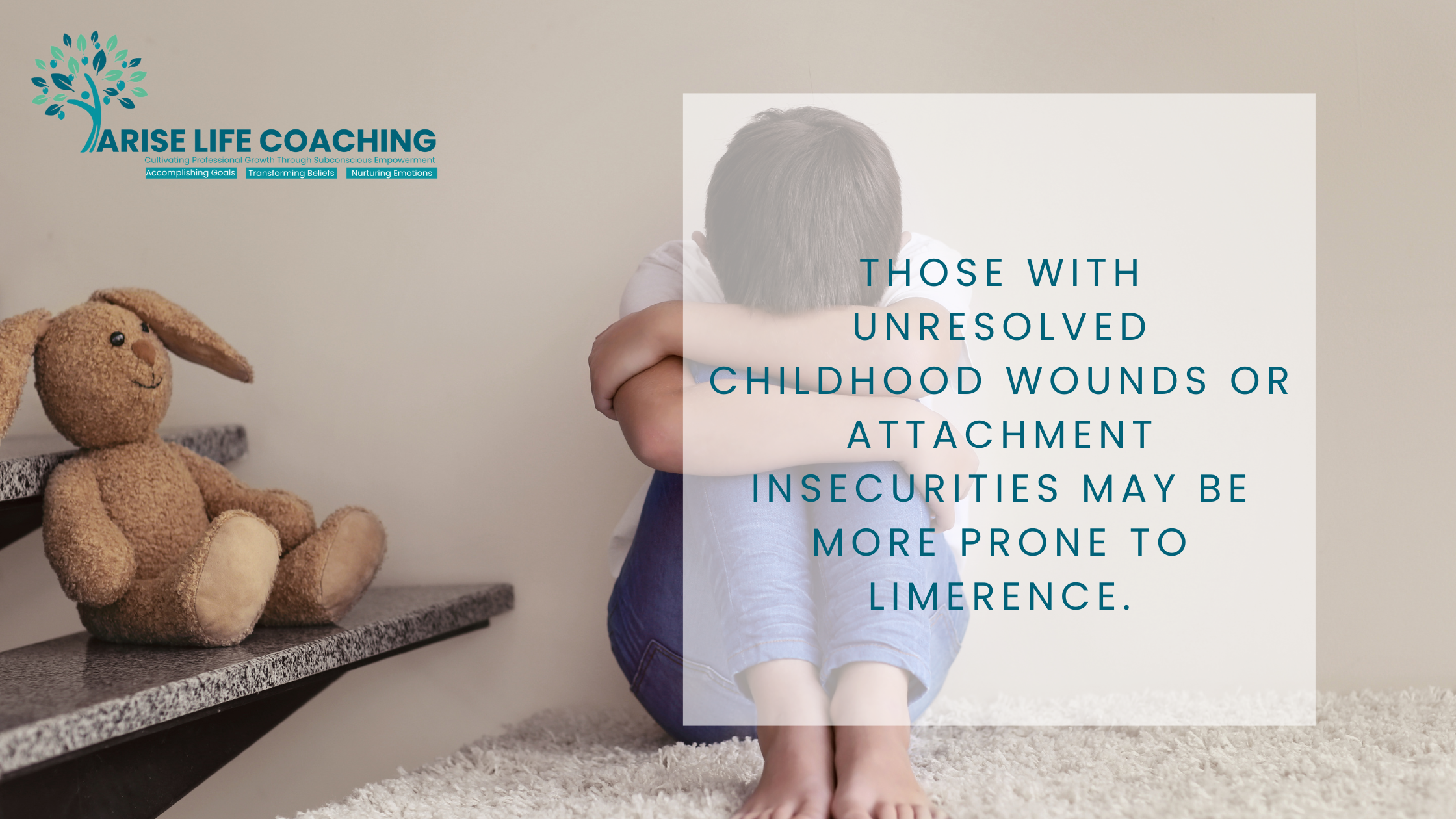
- Unmet Emotional Needs: Those with unresolved childhood wounds or attachment insecurities may be more prone to limerence, as they seek validation and security in another person.
- Fantasy vs. Reality: The limerent individual often idealizes their LO, seeing them as perfect or uniquely suited to them, which fuels the obsession.
The Dark Side of Limerence: Emily’s Story
Meet Emily, a 27-year-old marketing professional. She had never considered herself obsessive—until she met Jared. He was charismatic, charming, and always had a way of making her feel special. From the moment they met at a networking event, she couldn’t get him out of her mind.
At first, Emily thought it was just a crush. But as the weeks went by, her thoughts about Jared became intrusive. Every text from him sent her into a euphoric state, while his delayed responses left her anxious and distraught. She analyzed every interaction, searching for hidden meanings in his words and actions. When he was friendly, she believed he might feel the same way. When he didn’t respond, she spiraled into self-doubt.
Jared, however, was not as emotionally invested. While he enjoyed their conversations, he was unaware of the intensity of Emily’s feelings. She found herself refreshing his social media pages, trying to decipher his posts, and rearranging her schedule just to run into him. The more distant he seemed, the stronger her longing grew.
Emily’s limerence began affecting her life negatively. She struggled to concentrate at work, withdrew from friends, and lost interest in her own hobbies. Despite knowing her obsession was unhealthy, she couldn’t break free from the emotional grip of limerence.
Breaking Free from Limerence
Limerence can feel like an emotional prison, but there are ways to regain control and find peace:
- Recognize the Pattern: Understanding that limerence is an addictive cycle can help you detach emotionally.
- Limit Contact with the LO: Reducing or eliminating interactions with the limerent object helps to break the obsession.
- Redirect Focus: Engaging in new hobbies, strengthening friendships, and working on personal growth can shift attention away from the LO.
- Seek Professional Help: Therapy or coaching can help address underlying emotional wounds and develop healthier relationship patterns.
- Practice Mindfulness and Self-Compassion: Mindfulness techniques and self-love exercises can reduce anxiety and increase emotional resilience.
Final Thoughts
Limerence is a powerful, often painful experience that can trap people in cycles of longing and despair. But with awareness and effort, it is possible to break free and cultivate healthier, more fulfilling relationships.
Are you ready to break free from the emotional grip of limerence? If you or someone you know is struggling with limerence, know that you’re not alone. It’s time to reclaim your emotional freedom.
At Arise Life Coaching, we help you uncover the subconscious patterns fueling limerence and guide you toward healing and self-empowerment. Book a free discovery call today and start your journey toward healthier, fulfilling relationships. Your transformation starts now! 💚💙