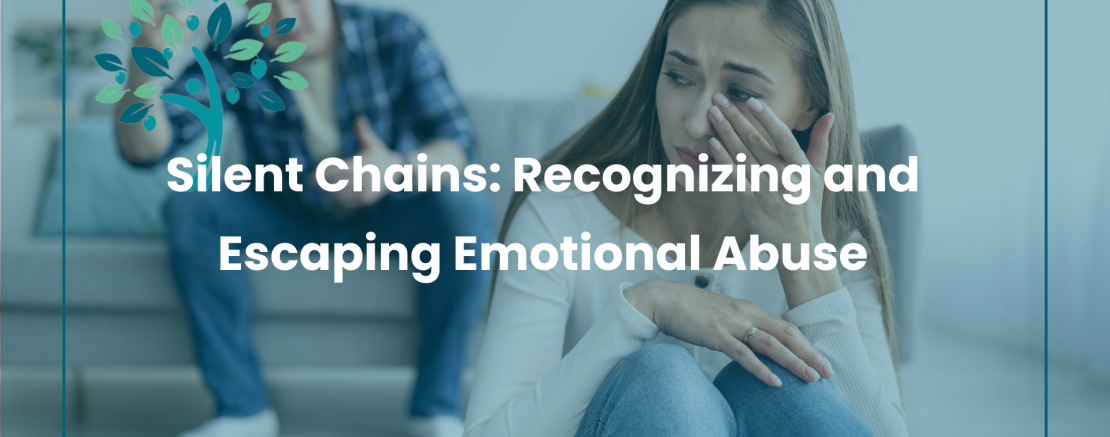
Many people do not realize they are in an emotionally abusive relationship, until they begin to feel like a shell of their former selves. They are constantly anxious and second-guess everything they say and do. Abuse is often associated with physical harm, but emotional abuse is just as damaging, if not more, as it often leaves deep psychological scars. Understanding the signs of emotional abuse and why it happens is crucial in taking the necessary steps to reclaim one’s life.
What is Emotional Abuse?
Emotional abuse is a pattern of behaviour where one person manipulates, degrades, or controls another through psychological means. Unlike physical abuse, which leaves visible marks, emotional abuse leaves scars on your mind and self-worth. It often occurs in romantic relationships but can also exist in friendships, family dynamics, and even the workplace.
Why Does Emotional Abuse Happen?
Emotional abuse stems from a need for control. The abuser may have deep-seated insecurities, a history of trauma, or learned behaviours from their upbringing. Often, they mask their actions under the guise of love or concern, making it difficult for the victim to recognize what’s happening. They might claim, “I only criticize you because I want you to be better” or “I get jealous because I love you so much.” Over time, these justifications erode a person’s confidence and autonomy.
Signs That You May Be in an Emotionally Abusive Relationship
Recognizing emotional abuse can be difficult, especially when you’re deeply involved with the person. However, here are some telltale signs:
- Constant Criticism and Belittling – Your partner frequently puts you down, makes you feel inadequate, or mocks you, even in a joking manner.
- Gaslighting – They deny things they’ve said or done, making you question your own memory and reality.
- Isolation – They discourage or outright prevent you from seeing friends, family, or engaging in activities you once enjoyed.
- Blame-Shifting – No matter what goes wrong, it’s always your fault. They take no responsibility for their actions.
- Emotional Withholding – They use silence or affection as a weapon, rewarding or punishing you based on their mood.
- Excessive Control – They want to dictate what you wear, who you talk to, or how you spend your time and money.
- Walking on Eggshells – You feel like you have to carefully choose your words or actions to avoid their anger or disappointment.
If you’re experiencing any of these, please know that you are not overreacting. Your feelings are valid, and emotional abuse is real.
A Man’s Perspective: A Real-Life Example
Themba was once a confident and outgoing man, full of life and energy. However, over time, his friends noticed a significant change in his behaviour. He became withdrawn, anxious, and hesitant to speak his mind. His relationship with Melody had slowly drained the spark from his personality. She controlled every aspect of his life—who he talked to, where he went, and even how he dressed.
Whenever he disagreed with her, she would either explode in anger or punish him with days of silence. She constantly reminded him that he was "lucky to have her" and that no one else would ever love him the way she did. Over time, these words became his reality, and he started believing that if he just tried harder, things would improve. But they never did.
It wasn’t until a close friend pointed out how much he had changed that Themba realized he was being emotionally abused. With support, he found the courage to leave. Though the road to recovery was difficult, he slowly rebuilt his confidence, surrounded himself with positive influences, and eventually rediscovered the vibrant person he once was.
How to Escape an Emotionally Abusive Relationship
Leaving an emotionally abusive relationship isn’t easy, but it is possible. Here are some steps you can take:
- Acknowledge the abuse – Accepting that you are in an unhealthy situation is the first and most important step.
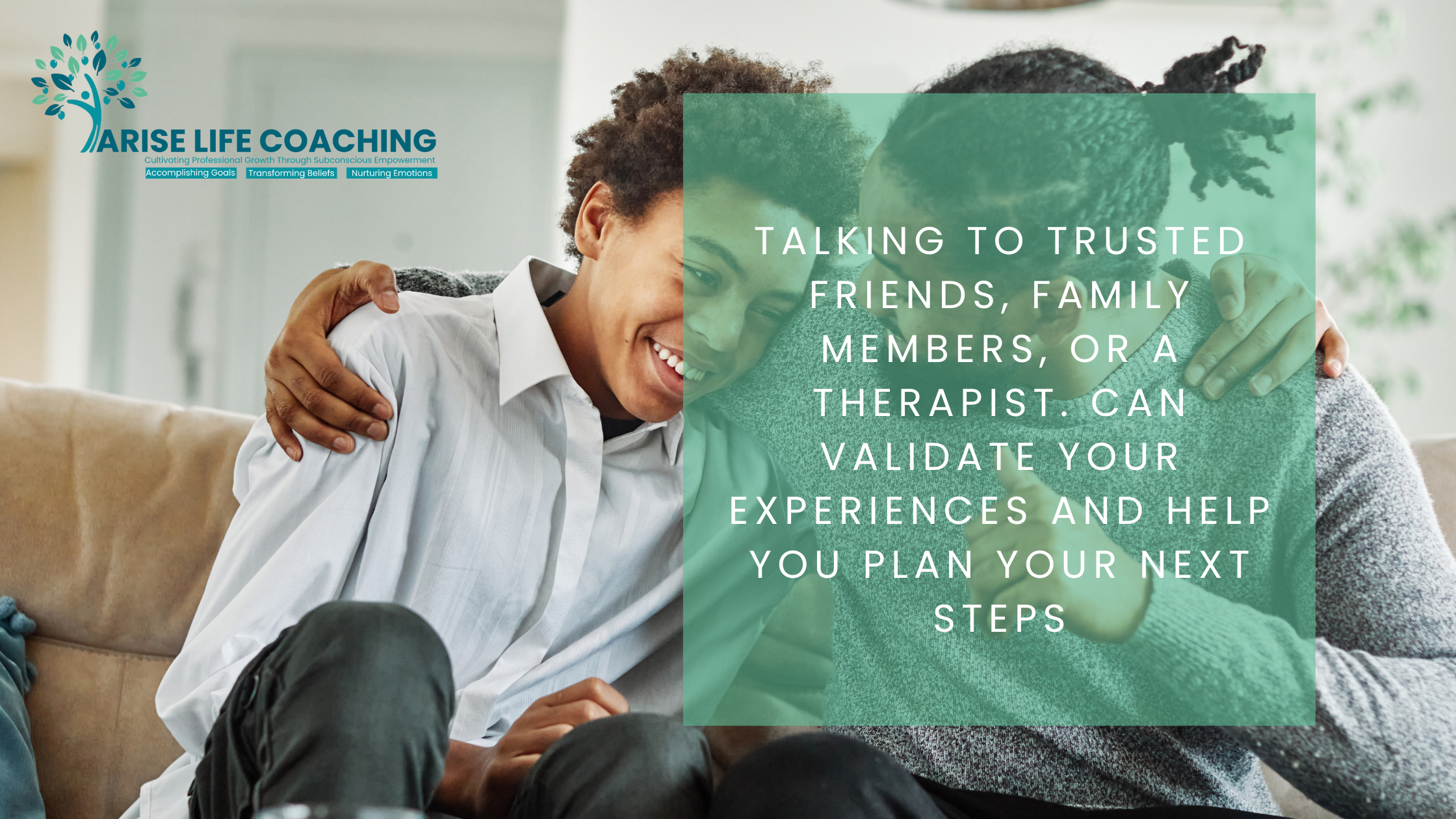
- Seek support – Talk to trusted friends, family members, or a therapist who can validate your experiences and help you plan your next steps.
- Set boundaries – If possible, create emotional and physical distance from the abuser.
- Plan your exit safely – If you live with the abuser, have a strategy in place, such as securing finances, finding a safe place to stay, and gathering important documents.
- Prioritize your healing – Recovery takes time. Coaching, therapy, self-care, and surrounding yourself with supportive people will help you rebuild your self-worth.
You Deserve Better
Emotional abuse can make you feel small, broken, and unworthy of love, but I promise you—none of that is true. You are valuable, and you deserve respect, kindness, and a relationship that nurtures you instead of depleting you. If this post resonates with you, please know you are not alone. There is help, and there is hope.
If you’re ready to start your healing journey, I invite you to explore the healing resources available at www.ariselifecoaching.net. You don’t have to go through this alone—support is available, and freedom is possible.💙